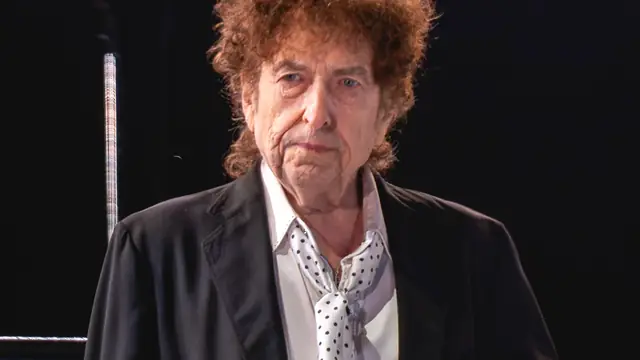
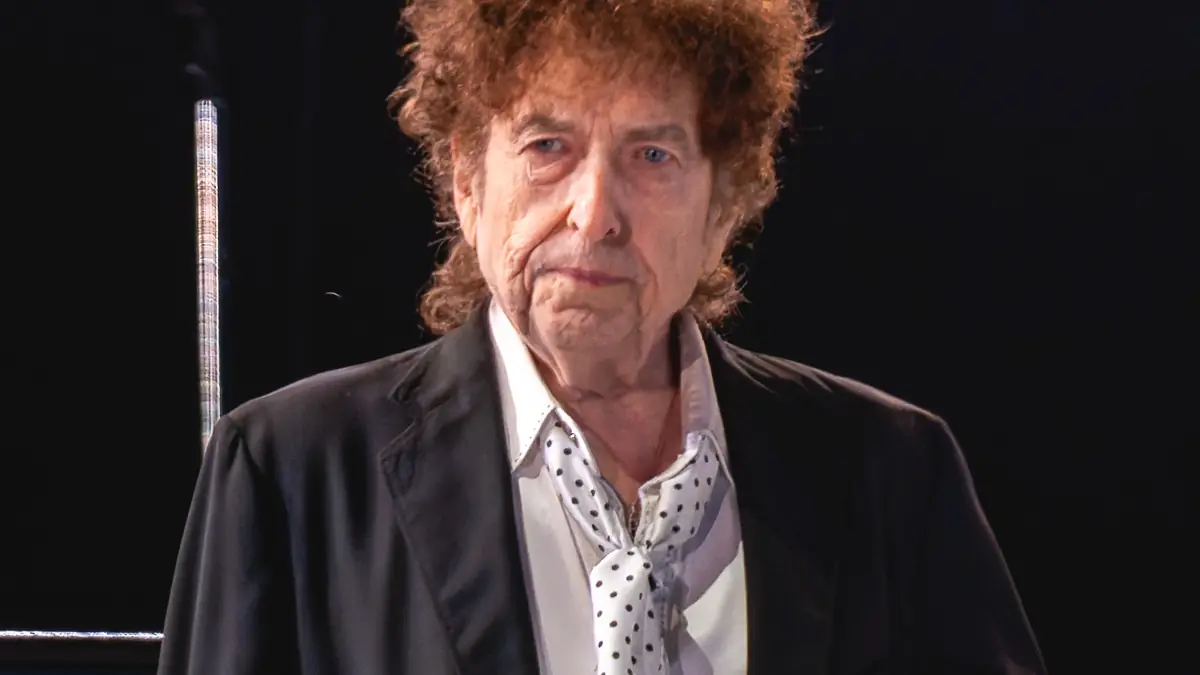
_(52246124397)_(cropped).jpg)
Upcoming Bob Dylan dates
Dates and live ticket listings appear here as soon as they are on sale. The guide below covers what to know before you buy.
Bob Dylan in concert, at a glance
Bob Dylan is the singer-songwriter born Robert Allen Zimmerman in Duluth, Minnesota, in 1941 and raised in Hibbing. He remains one of the most active touring musicians of any era: the run fans call the Never Ending Tour began on June 7, 1988, and his most recent named tour, Rough and Rowdy Ways, played 303 shows between November 2021 and May 2026, mostly in theaters and concert halls. A Dylan ticket today usually means a seated show in a mid-size room, not a stadium.
His debut album, Bob Dylan, came out in 1962, followed by records that changed popular music, including The Freewheelin' Bob Dylan (1963), Highway 61 Revisited (1965), Blonde on Blonde (1966), Blood on the Tracks (1975) and Time Out of Mind (1997). He entered the Rock and Roll Hall of Fame in 1988, received the Presidential Medal of Freedom in 2012, and won the 2016 Nobel Prize in Literature "for having created new poetic expressions within the great American song tradition." The 2024 biopic A Complete Unknown brought his early career to a new audience.
What to expect from the show itself
A Dylan concert is not a greatest-hits revue. On the Rough and Rowdy Ways tour he built the set around his 2020 album of that name, playing eight of its ten songs every night on at least one leg, which critics noted is rare for an artist with his catalog. Older songs appear, but often in new arrangements that can make familiar material hard to recognize at first. Fans who come expecting note-for-note versions of the 1960s records are sometimes surprised; fans who come for a working band are usually rewarded.
He plays with a small, long-serving band. On the recent tour that included Tony Garnier on bass, Bob Britt and Doug Lancio on guitar and Donnie Herron on accordion, violin and mandolin, with several drummers over the years. Staging is spare and lighting is low, so the show is about the songs and the room, not video screens.
Dylan has kept his recent shows phone-free. The BBC reported on his mobile phone ban in July 2024. Expect to have your phone secured or put away for the whole performance, and check the venue's current policy before you go.
Tours worth knowing
- The Never Ending Tour (from June 7, 1988): the informal name for the near-continuous touring that has defined his live career since the late 1980s.
- Rough and Rowdy Ways World Wide Tour (November 2, 2021, to May 1, 2026): 303 shows across ten legs in North America, Europe and Asia. It was first billed as ending in 2024 and was extended several times. Venues ranged from rooms like the Beacon Theatre in New York to larger halls.
- Fall 2026 in Europe: as of October 1, 2026, his official site listed dates from October 17 at Oslo Spektrum through December 8 at the Royal Festival Hall in London, including a five-night London stand.
Dylan's schedule changes often and dates are added with little notice. The live event list on this page reflects what is on sale.
Choosing seats in a theater or concert hall
Most of his recent shows are fully seated, which changes the usual concert advice. There is rarely a general-admission floor to push into, and a quiet, attentive crowd is the norm.
- Orchestra (the main floor), center, rows 10 to 25: the best balance. You are close enough to see the band, and far enough back that the mix comes together. In many halls the first few rows look up at a high stage and lose the back of the band.
- Front mezzanine or first balcony, center: often the best sound in the building and a clear view over the floor. In older theaters this can beat a far-side orchestra seat.
- Side orchestra and side boxes: close, but with dim lighting and a sparse stage, an angled view shows less than at a production-heavy show. Favor center seats a little farther back over extreme sides.
- Rear balcony: the value option in a small hall. In an arena on a European run, upper seats are much farther away than in a theater, so weigh lower-level side seats instead.
Because the lighting is low and the stage is spare, avoid seats marked limited view or partial view unless the listing explains what is blocked.
How his tickets usually sell
Dylan plays smaller rooms than his name would suggest, so supply in each city is limited. Multi-night stands in major cities, like the London run on the fall 2026 European leg, spread demand across several shows, but opening and weekend nights tend to go first. Theater shows have fewer price tiers than arenas, and the gap between the best orchestra seats and the rear balcony is mainly about sightlines and sound.
His audience skews toward longtime fans who buy early, which means good seats can disappear in the initial sale. On the resale market, the closest center seats hold their value, while side and rear sections can loosen as the date approaches. GoodSeats orders include guaranteed entry. Tour announcements appear first on his official tour page.
Frequently asked questions
Can you use your phone at a Bob Dylan concert?
Generally no. His recent shows have been phone-free, as reported by the BBC in July 2024, so expect phones to be secured or put away. Check the venue's current policy before you go.
What kind of venues does Bob Dylan play?
Mostly theaters and concert halls. His Rough and Rowdy Ways tour from 2021 to 2026 played rooms like the Beacon Theatre, and some European dates use arenas.
Does Bob Dylan play his old hits?
Some, but often in new arrangements. On recent tours he built the set around his 2020 album Rough and Rowdy Ways, playing most of its songs each night.
What are the best seats for a Bob Dylan show?
Center orchestra seats about 10 to 25 rows back, or the center front mezzanine, give the best mix of view and sound. Extreme side seats lose much of the view on his dimly lit stage.
How long has Bob Dylan been touring?
He has toured almost continuously since June 7, 1988, the start of what fans call the Never Ending Tour, and his first album came out in 1962.