


What the venue guides cover
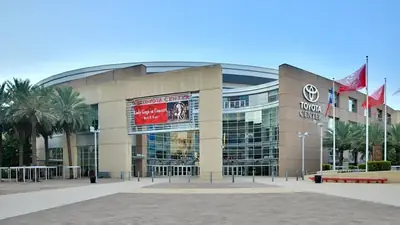
Each venue guide answers the question a seating chart cannot: which seats are actually worth buying. The directory covers 36 buildings, from NFL stadiums and classic ballparks to arenas, open-air amphitheaters and intimate music halls, and every guide follows the same order so you can compare them quickly.
A typical guide explains who plays or performs in the building, how the sections are numbered and which side is which, the best seats for each kind of event, the seats to avoid, how to get there, and the entry and bag rules. The pill at the top of each page (the stamp) gives the single most useful fact, such as a capacity, a roof type or the side that gets shade first. Live ticket listings sit below the guide, so you can read the layout and then check what is available in the sections it recommends.
Five kinds of buildings, five seating logics
Where to sit depends far more on the type of building than on the event. The directory groups naturally into five families.
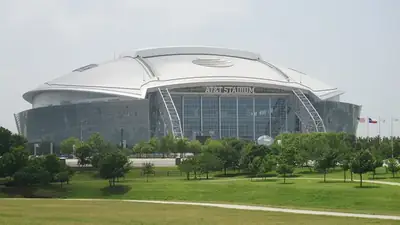
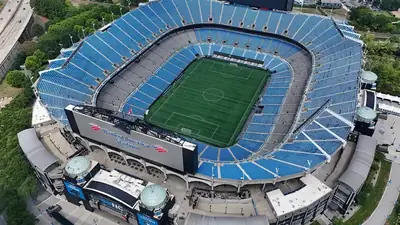
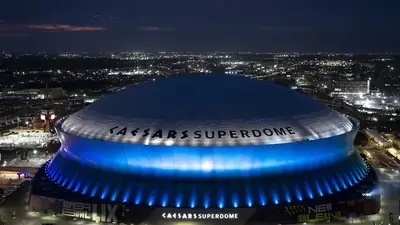
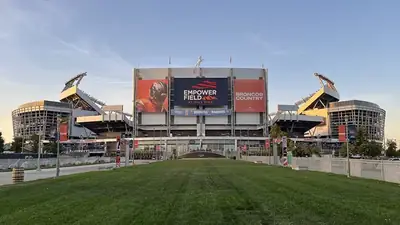
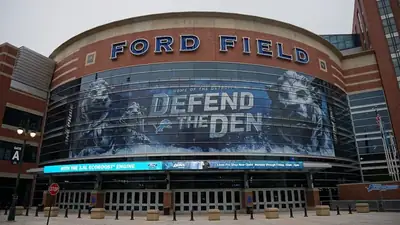
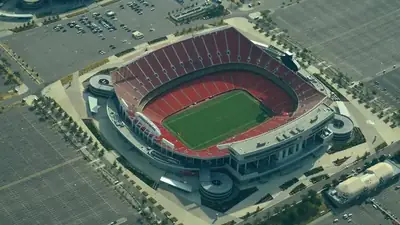
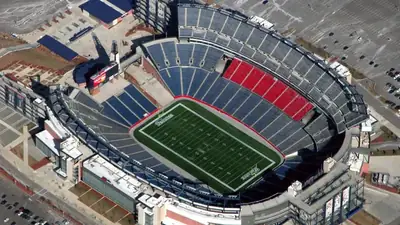
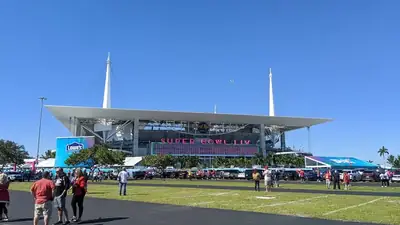
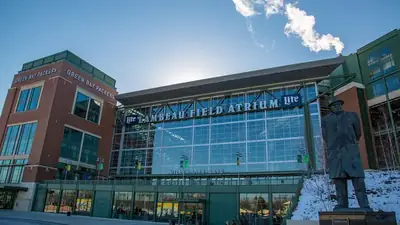
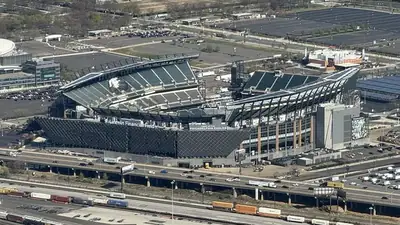
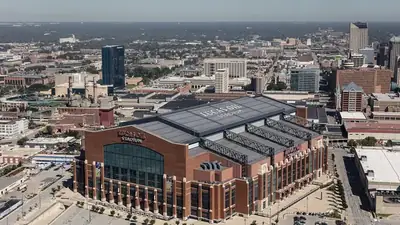
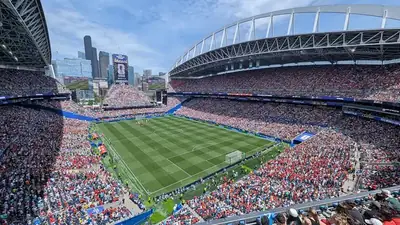
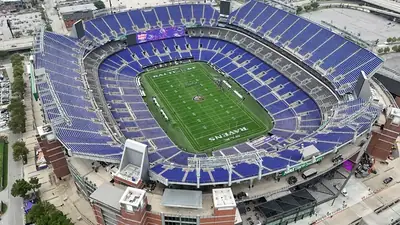
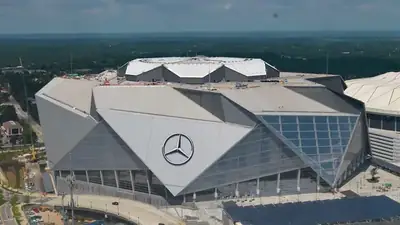
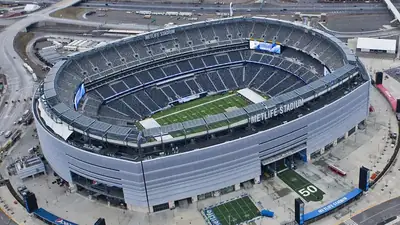
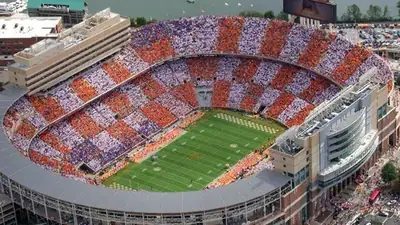
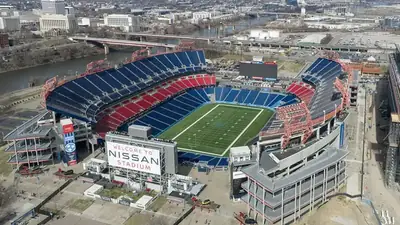
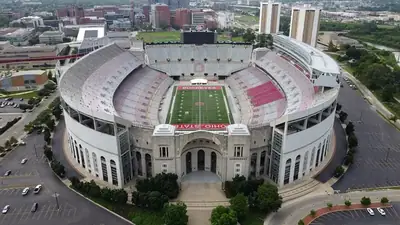
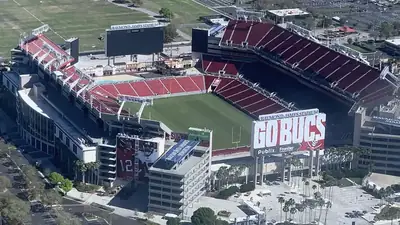
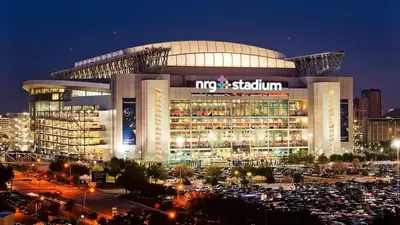
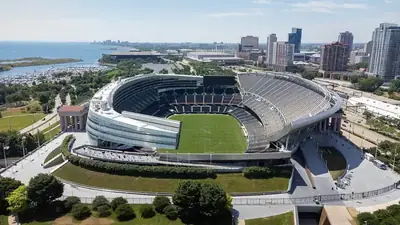
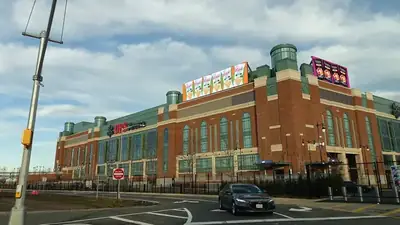
- NFL stadiums. Bowls of 60,000 to 80,000-plus seats, such as Lambeau Field (81,441) and MetLife Stadium (82,500). AT&T Stadium seats about 80,000 and expands past 100,000 with standing room. Sideline seats between the 30-yard lines are the benchmark, and sun or shade often matters as much as the yard line.
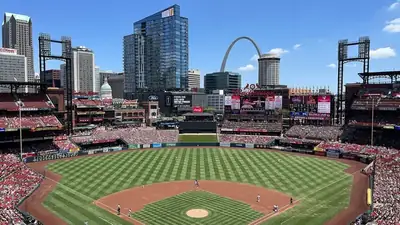
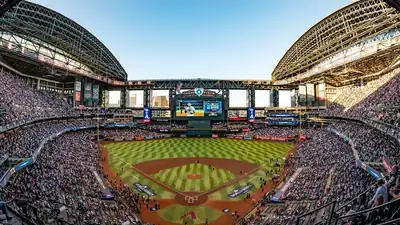
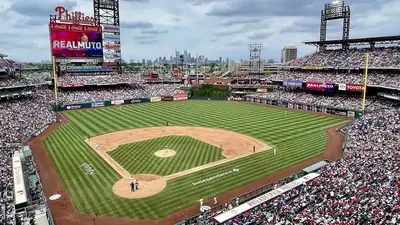
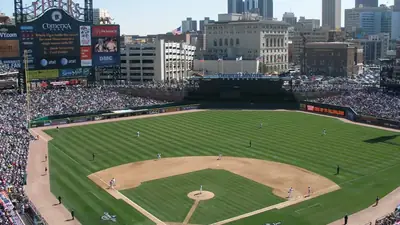
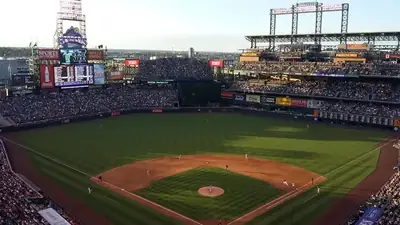
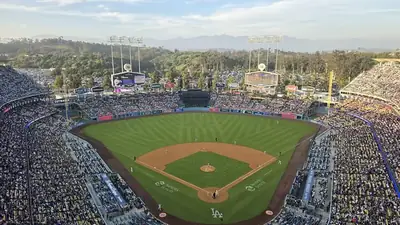
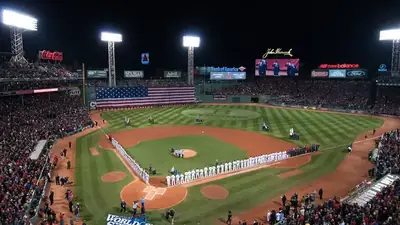
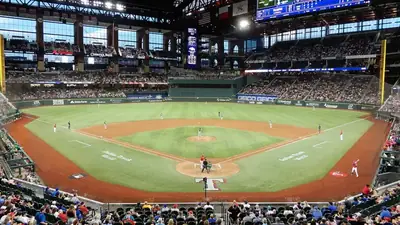
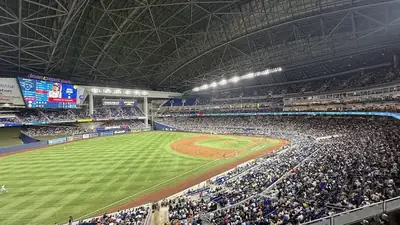
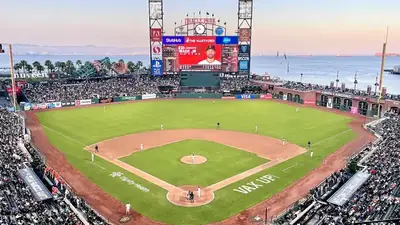
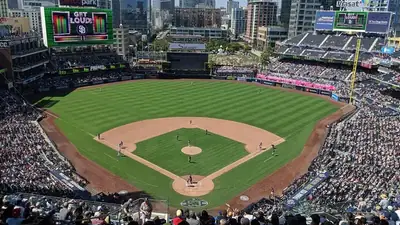
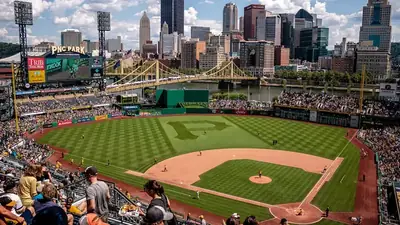
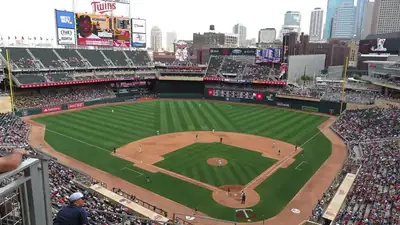
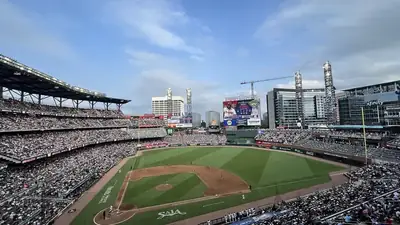
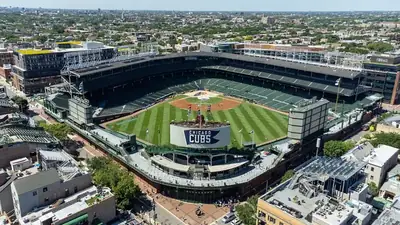
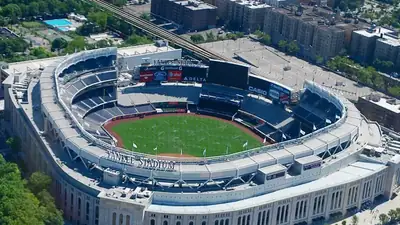
- Ballparks. Fenway Park (opened 1912), Wrigley Field (1914), Dodger Stadium (1962) and Yankee Stadium reward attention to shade, foul-pole sightlines and roof overhangs.
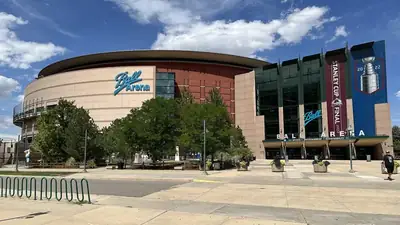
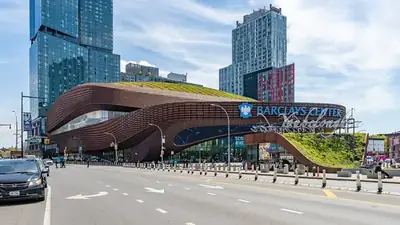
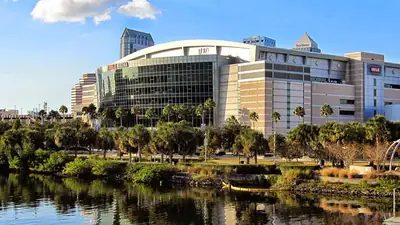
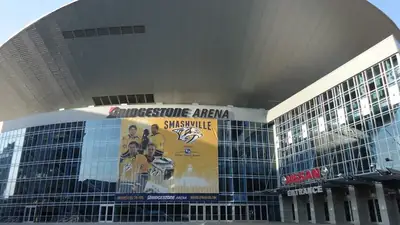
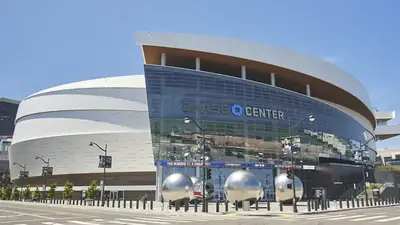
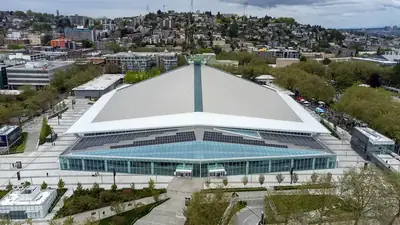
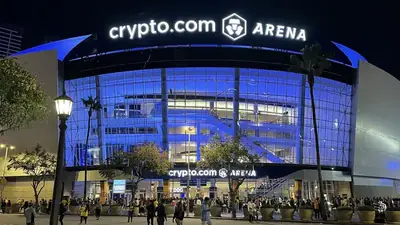
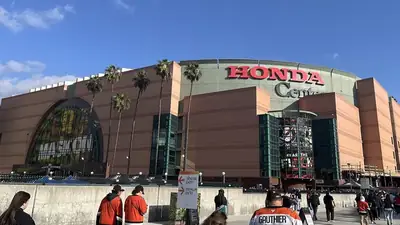
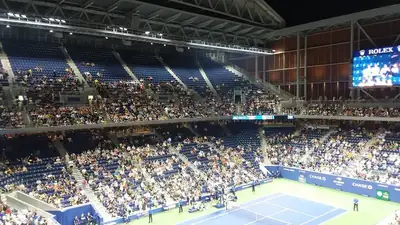
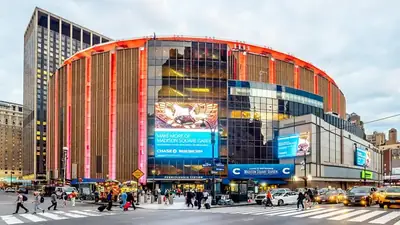
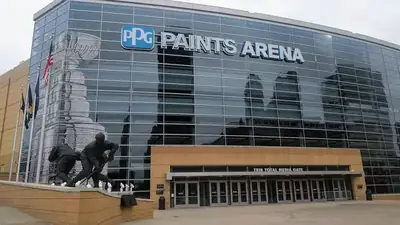
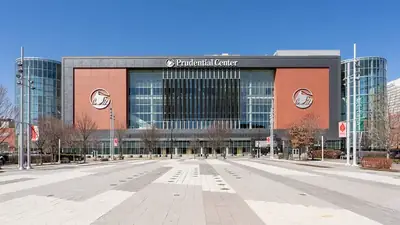
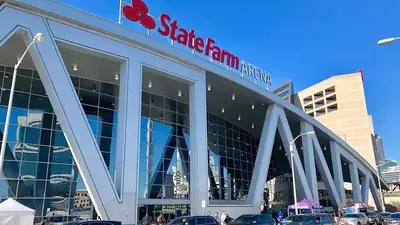
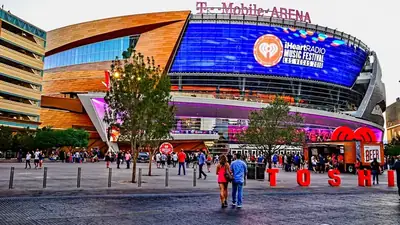
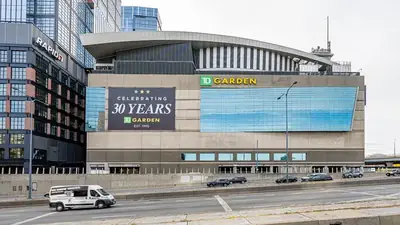
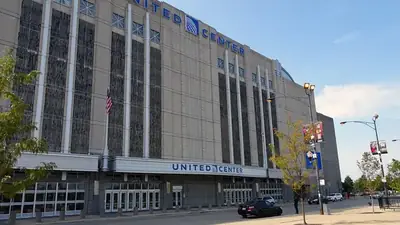
- Arenas. Buildings of roughly 17,000 to 21,000 seats, from Madison Square Garden to the United Center (20,917 for basketball). The front rows of the upper level often beat the back of the lower level for both view and value.
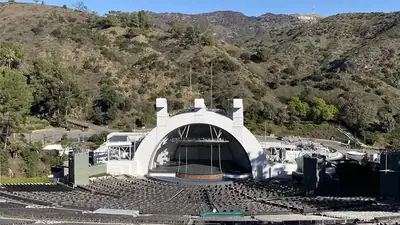
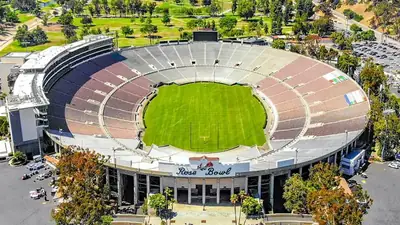
- Amphitheaters and outdoor bowls. Red Rocks Amphitheatre (9,525, on 70 rows of benches) and the Hollywood Bowl (17,500, with a June-to-September season) are sloped, open-air and weather-dependent.
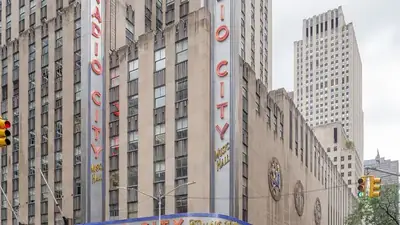
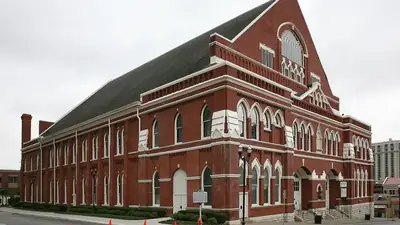
- Theaters, halls and clubs. Radio City Music Hall (5,960 seats over an orchestra and three mezzanines), the Ryman Auditorium (2,362 seats on wooden pews) and The Shrine in Tulsa (a 21-and-over club with a standing dance floor). Sphere in Las Vegas, with 17,600 seats under a wraparound screen, is a category of its own.
Open-air settings carry real weight with audiences. The National Endowment for the Arts found that outdoor venues such as parks, pavilions and amphitheaters drew more arts attendees, 17 percent of US adults, than any other venue type in its 2022 survey.
Judgments that carry from one building to the next
The guides return to a handful of trade-offs. Learn them once and any chart becomes easier to read.
- Height versus distance. In a football stadium, a seat 20 rows up on the sideline usually shows the play better than row 3 behind the end zone.
- Sun versus shade. Open-air stadiums and ballparks have a shade side for afternoon starts, and the guides name it.
- Overhangs and obstructions. Rear rows under an upper deck can lose fly balls and video boards, and older parks have support poles.
- Stage position for concerts. An end-stage setup turns the sections behind the stage into blocked or limited-view seats, while side sections close to the stage can be a quiet bargain.
For the full method, the guides library covers how to read a seating chart, floor seats versus the lower bowl and what obstructed-view seats mean.
Planning the trip as well as the seat
Many fans travel for events, so the venue guides spend real time on logistics. The Sports Events and Tourism Association estimated that 109.7 million spectators traveled 50 miles or more to sporting events in 2024, and 63.5 million stayed overnight (Sports ETA, 2024 State of the Industry).
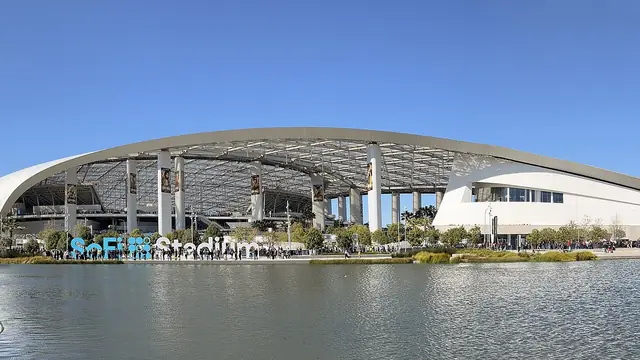
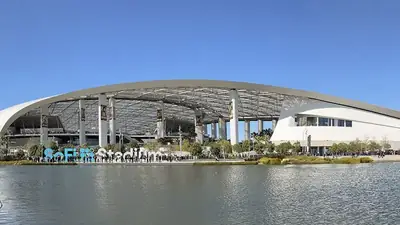
Each guide therefore covers transit, parking and rideshare. Several stadiums sit well outside the city they are named for: MetLife Stadium is in East Rutherford, New Jersey, SoFi Stadium is in Inglewood and AT&T Stadium is in Arlington, Texas. Entry rules get the same care. Bag policies, mobile-ticket rules and parking arrangements change from season to season, so every guide dates the policy it describes. Treat those notes as a starting point and check the venue's current policy before you go.
Buying tickets once you have picked a section
Most listings on GoodSeats are resale tickets, which means prices are set by individual sellers and can sit above or below face value. Prices move with demand: the opponent, the day of the week, the tour and how close the event is. For that reason the venue guides describe which sections tend to cost more and why, rather than quoting figures that would be out of date within hours.
Every order is backed by a 100% guarantee. Use the guide to shortlist two or three sections that suit your event, then compare the listings in those sections side by side.
Frequently asked questions
Which venues have guides on GoodSeats?
The directory covers 36 venues, including NFL stadiums such as Lambeau Field and SoFi Stadium, ballparks such as Fenway Park and Wrigley Field, arenas such as Madison Square Garden, and music venues such as Red Rocks Amphitheatre and the Ryman Auditorium.
Do the venue guides list bag policies?
Yes. Each guide describes the bag and entry rules as of the date it was written. Policies change often, so check the venue's own website before you go.
Are the best seats the same for a game and a concert?
No. A stadium's best football seats are on the sideline, but for a concert the stage position decides everything, and seats behind or beside an end stage can be blocked. Each guide covers both event types where the building hosts them.
Why don't the venue guides show ticket prices?
Resale prices change constantly. The guides explain which sections usually cost more and what drives demand, and the live listings on each page show current availability.
Sources
- National Endowment for the Arts – Arts Participation Patterns in 2022 (dossier GS-004)
- Sports ETA – 2024 State of the Industry (dossier GS-044)
- Wikipedia – Lambeau Field
- Wikipedia – MetLife Stadium
- Wikipedia – AT&T Stadium
- Wikipedia – Fenway Park
- Wikipedia – Dodger Stadium
- Wikipedia – United Center
- Wikipedia – Red Rocks Amphitheatre
- Wikipedia – Hollywood Bowl
- Wikipedia – Radio City Music Hall
- Wikipedia – Ryman Auditorium