

Comedy has become an arena business
Stand-up comedy is one of the fastest-growing categories in live entertainment. Events with comedy headliners grossed 837 million dollars worldwide and drew 12.3 million fans in Pollstar's 2025 chart year, which ran from November 14, 2024, to November 12, 2025, across more than 6,000 reported performances. Over the past three years comedy has averaged 12.8 million tickets a year, against just over 7 million a year in 2017 to 2019 (Pollstar). Those figures are box office reports submitted by promoters, so they show the direction and scale of the market rather than an exact census.
The top of the market is now built on arena tours. In that same chart year, Nate Bargatze led all comedians with 962,955 tickets across 93 shows, and Sebastian Maniscalco sold 425,273 tickets across 58 shows. Comedians who once played clubs and theaters now book multiple nights in the same arenas that host concert tours, and the ticket market behaves more like the concert market as a result.
Why audiences are shifting toward comedy
Government survey data points the same way as the box office. In the National Endowment for the Arts' Survey of Public Participation in the Arts, attendance at performances outside the survey's traditional categories, a group that includes comedy along with rock, pop, hip-hop, country, circus and magic, rose to 21 percent of U.S. adults in 2022 from 15 percent in 2017. It was the only attendance category on the survey that grew (NEA, 2023).
Comedy also has practical advantages for a promoter and a buyer. A stand-up show needs a microphone, lights and a stage, not a stadium production, so a comedian can play a theater one night and an arena the next. That flexibility is why popular comedians can add shows quickly when demand runs high, and why the same tour may appear in very different buildings from city to city.
Arena and stadium headliners
These comedians play the same buildings as touring rock bands, so the seating choices look like a concert's, with video screens doing much of the work beyond the lower bowl.
- Nate Bargatze works clean (no profanity or explicit material), which makes his shows one of the few arena comedy tickets many families buy together. On April 15, 2023, he drew 19,365 people to Bridgestone Arena in Nashville, a record for the building.
- Bill Burr tours theaters and arenas and saves stadium events for the Boston area: Fenway Park in August 2022, reported as the first comedy show at the ballpark, and Gillette Stadium in 2024, before more than 60,000 people.
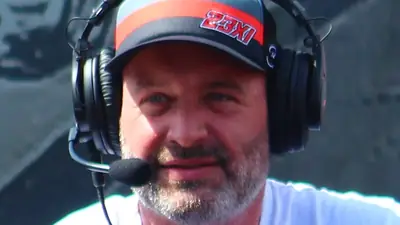
- Bert Kreischer plays long storytelling sets in arenas and has said he does little crowd work there, so sitting close does not mean being pulled into the show. He also ran the touring Fully Loaded Comedy Festival from 2022 to 2024.
- Martin Lawrence returned in 2024 with his first comedy tour since 2016, a national arena run with rotating guest comics opening.
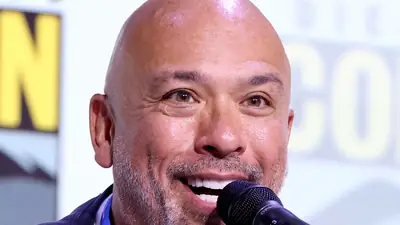
- Jo Koy moved from theaters to arenas in the Netflix era; his 2022 special was recorded at the Forum in Inglewood.
- Katt Williams plays theaters, arenas and casino venues on named tours with fast, profane material for adults, and Tom Segura plays theaters and larger halls with dark, deadpan stories.
Theater headliners and phone-free nights
Some of the biggest names in stand-up prefer rooms built for a stage, and several lock away phones for the night.
- Jerry Seinfeld tours theaters, performing arts centers and civic auditoriums rather than arenas, and in many cities he plays two shows on the same night. Both shows are the same act, so pick the time that suits your evening.
- Dave Chappelle usually plays large theaters and amphitheaters, and since at least 2015 his audiences have sealed their phones in lockable pouches for the whole performance. He played ten nights at Radio City Music Hall in June 2014 and four at the Hollywood Bowl in May 2022.
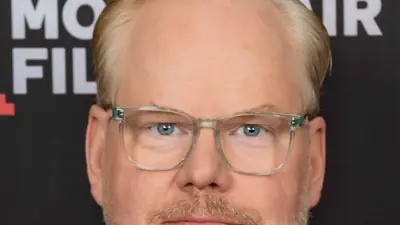
- Jim Gaffigan, known for clean observational comedy about food and fatherhood, plays large theaters and arenas; his 2015 tour ended with a sold-out show at Madison Square Garden, and he co-headlined an arena tour with Seinfeld in 2023.
For phone-free shows, arrive early, plan a meeting spot with your group, and read the event details for device rules.
Podcast tapings and live talks
A growing share of comedy tickets are sold to podcast audiences, and the show you see may not be a standard stand-up set.
- Kill Tony is a live podcast taping: aspiring comics drawn from a bucket get one minute on stage, then host Tony Hinchcliffe and a guest panel interview them. It tapes weekly at the Comedy Mothership in Austin and has played arenas, including dates at Madison Square Garden and the Forum announced in 2024. The humor is adult and the panel can be harsh.
- Podcast audiences fill stand-up tours too. Bill Burr's Monday Morning Podcast, Bert Kreischer's Bertcast and Tom Segura's Your Mom's House and 2 Bears, 1 Cave, co-hosted with Kreischer, are a large part of why those comedians sell in smaller markets as well as major cities.
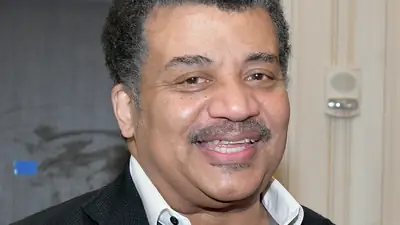
- Live talks sell like comedy. Neil deGrasse Tyson is an astrophysicist, not a comedian, but his seated evening talks play the same theaters and performing arts halls, and the best seat frames both the speaker and the screen.
Arenas, theaters and clubs: three different experiences
The venue changes the show more for comedy than for music, because the performance depends on hearing every word and catching every expression.
- Arenas such as State Farm Arena, Bridgestone Arena, Chase Center and the Kia Forum host the biggest comedy tours. The stage is usually set at one end, video screens carry the comedian's face to the upper levels, and the experience is closer to a concert than a club set.
- Theaters and historic halls such as Radio City Music Hall and the Ryman Auditorium are where comedy often sounds and feels best. Sightlines are designed for a stage, the room is smaller, and the comedian can read the crowd.
- Comedy clubs seat a small audience, often at tables, close to a low stage. They host touring headliners working out new material as well as local lineups, and they are the most intimate way to see stand-up. Check each club's policies on seating, minimum purchases and age limits before you go.
Each venue guide on GoodSeats explains the seating layout, the best and worst seats and how to get there. None of these is the right answer for everyone. An arena show is an event; a club show is a conversation. Most fans who care about the jokes themselves get more from a theater or club seat than from an upper-level arena seat at the same price.
Where to sit for stand-up
For a comedian, distance matters more than spectacle. A music act can fill a room with sound and lights, but a stand-up set is one person talking, so the seats that keep you close and facing the stage are worth more than they would be at a concert.
- Center beats side. A center seat a little farther back usually beats a side seat closer in, because you see the comedian's face rather than a profile.
- In arenas, lower-level seats facing the stage are the strongest choice. Floor seats are close, but on a flat floor the rows behind the first several can see less than the raised lower bowl. Side-stage and upper-level seats depend heavily on the video screens.
- In theaters, the center orchestra and the front of the first balcony or mezzanine are the best seats for comedy. Rear balcony seats are fine for hearing but distant for expressions.
- Avoid seats behind or beside the stage unless the listing confirms a full view; a comedian rarely plays to the back of the stage.
- In clubs, front tables put you in range of crowd work. If you would rather not be part of the act, sit a few rows back.
The guides on how to read a seating chart and how to check the view from your seat apply directly to comedy.
How comedy tickets sell
Comedy tours follow the concert pattern of announcements, presales and a general on-sale, with one difference: comedians add shows readily. When a first date sells quickly, second and third shows in the same city often follow, sometimes the same night as an early and a late set.
- Watch for added dates before paying a premium for the first show. Added shows bring new inventory at face value and usually soften resale prices for the original date.
- Weeknights and late shows are often easier to get into than Friday and Saturday prime times. Multi-night runs at theaters such as the Ryman tend to have more availability midweek.
- Check the content and age guidance. Most stand-up is aimed at adults, and some venues or comedians set age limits. The listing or the venue's event page is the place to check.
- Expect phone policies at some shows. Some comedians run phone-free shows, so read the event details for any device rules and arrive early.
Every GoodSeats order is backed by a 100% guarantee.
Frequently asked questions
How big is the comedy ticket market?
Pollstar reported that events with comedy headliners grossed 837 million dollars worldwide and drew 12.3 million fans in its 2025 chart year. Comedy averaged 12.8 million tickets a year over the past three years, up from just over 7 million a year in 2017 to 2019.
What are the best seats for a comedy show?
Seats close to the stage and near the center are best, because you see the comedian's face and expressions. In an arena, lower-level seats facing the stage usually beat floor seats far back or seats to the side.
Which comedians play arenas and stadiums?
Nate Bargatze, Bert Kreischer, Martin Lawrence, Jo Koy and Katt Williams headline arenas, and Bill Burr has played Fenway Park and Gillette Stadium near Boston. Jerry Seinfeld and Dave Chappelle mostly play theaters and amphitheaters.
Is it better to see a comedian in an arena or a club?
A club or theater gives the most intimate view and the best sound for the jokes themselves, while an arena show is a larger event that relies on video screens for many seats. Many fans who care most about the material prefer a theater or club.
Are comedy shows appropriate for children?
Most stand-up is aimed at adults, and some venues and comedians set age restrictions. Check the event listing and the venue's policy before buying for anyone under 18.
Why do comedy tours add extra shows?
A stand-up show needs little production, so comedians can add a second or late show in the same city when the first sells quickly. Added dates bring new inventory and can ease resale prices for the original show.