.jpg)
Upcoming Neil deGrasse Tyson dates
Dates and live ticket listings appear here as soon as they are on sale. The guide below covers what to know before you buy.
Who Neil deGrasse Tyson is and what a ticket buys
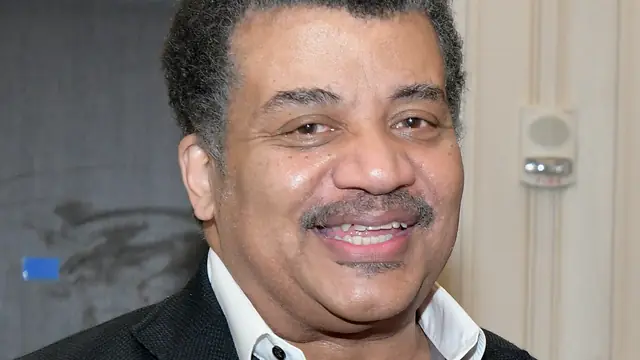
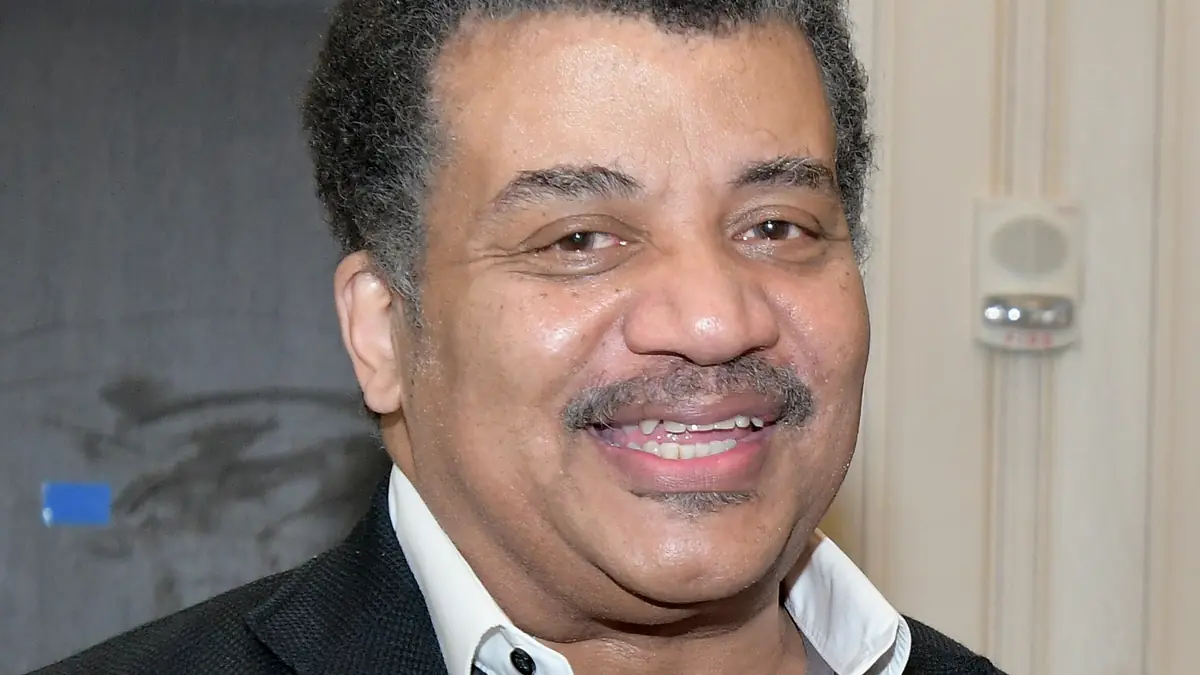
Neil deGrasse Tyson is an American astrophysicist, author and science communicator, and the director of the Hayden Planetarium at the American Museum of Natural History in New York since 1996. A ticket buys a seated evening talk in a theater or performing arts hall, in which he explains a single science theme to a general audience. It is a lecture, not a concert: reserved seats, a stage, and usually a screen for images, so the best seat is the one with a clean view of both.
Tyson was born in Manhattan on October 5, 1958, and grew up in the Bronx. His interest in astronomy began at age nine after a visit to the Hayden Planetarium's sky theater, and he was giving astronomy lectures by 15. He earned a physics degree at Harvard in 1980, a master's in astronomy at the University of Texas at Austin in 1983, and a PhD in astrophysics from Columbia University in 1991. He joined the Hayden Planetarium as a staff scientist in 1994, became acting director in 1995, and was named director the following year.
From the planetarium to Cosmos and StarTalk
Most of the audience at a Tyson talk knows him from television, podcasts or books rather than academic work. The milestones below explain why his name sells theater seats.
- The Pluto decision: as Hayden director he kept Pluto from being presented as the ninth planet in the center's exhibits, years before the International Astronomical Union reclassified it in 2006. He later wrote The Pluto Files (2009).
- StarTalk: launched as a radio show in May 2009, StarTalk grew into a podcast and a YouTube channel, and ran as a late-night talk show on the National Geographic Channel starting April 20, 2015.
- Cosmos: he hosted Cosmos: A Spacetime Odyssey (2014), a revival of Carl Sagan's series, and returned for Cosmos: Possible Worlds, which premiered March 9, 2020.
- Books: titles include Death by Black Hole (2007), Astrophysics for People in a Hurry (2017) and Starry Messenger (2023).
His public honors include the NASA Distinguished Public Service Medal (2004) and the Public Welfare Medal (2015).
What happens at a Tyson live talk
Each evening is built around a theme, and the title tells you which one you are buying. Talks referenced on his appearances page as of October 2026 include "An Astrophysicist Goes to the Movies," "Search for Life in the Universe" and "An Evening with Neil deGrasse Tyson." The venue listing for "Search for Life in the Universe" describes a talk on the discovery of exoplanets (planets orbiting other stars), the arguments over whether Earth is alone in hosting life, and the odds of intelligent life elsewhere.
Expect a mix of science explanation, images and humor delivered from the stage. Running time, intermission and any audience question segment vary by event and are not published consistently, so check the individual event listing. Some venues post guidelines for bringing children; the material is aimed at a curious general audience, and older children who already enjoy space science tend to get the most from it.
The venues: theaters and performing arts halls
Tyson's public talks play seated halls rather than arenas. His appearances page for fall 2026 through mid-2027 lists venues such as the Benjamin and Marian Schuster Performing Arts Center in Dayton, DeVos Performance Hall in Grand Rapids, KeyBank State Theatre in Cleveland, the Landmark Theatre in Syracuse, the State Theater in Minneapolis, the Auditorium Theatre in Chicago and Prudential Hall in Newark. Large markets sometimes get two nights, as Chicago did on that schedule. Specific dates appear in the live event list on this page.
Halls like these are divided into an orchestra (the ground-floor seating closest to the stage) and one or more mezzanines or balconies above it. Because they are built for speech and acoustic music, even upper-level seats sit far closer to the stage than the upper deck of a concert arena.
Where to sit for a lecture-style show
A talk rewards different seats than a concert. The stage action is one person and a screen, so sightlines and sound matter more than proximity.
- Center orchestra, rows 8 to 20: often the best seat in the house. You see his expressions and the full screen without craning your neck.
- Front orchestra rows: close to the speaker, but in many halls the first few rows sit below a raised stage and too near a large screen to take it in comfortably.
- Front mezzanine or first balcony, center: a strong value. The higher angle shows the whole screen cleanly, and these sections are often priced below prime orchestra seats.
- Side orchestra and box seats: fine for hearing the talk, but steep side angles can cut into the screen.
- Rear balcony: the budget choice. The words carry well in a hall built for speech and music, but small details on slides get harder to read.
Under the balcony overhang, rear orchestra rows can lose the top of the screen. Check the seating map on each event before buying.
How demand for Tyson tickets behaves
Tyson draws a broad audience of families, students and science fans, and a talk in a mid-size hall has far fewer seats than a concert. A few patterns help:
- Markets get few dates. Most cities get a single night in a given season, so there is rarely a second chance nearby.
- Weekend and holiday-season dates move first. Friday and Saturday evenings and dates near school breaks draw families.
- Center seats go early. In a hall this size the center orchestra and front mezzanine are a small share of the house.
- Venue presales matter. Performing arts centers often offer member or subscriber presales before the general on-sale.
On the resale market, prices can sit above or below face value and usually move as the date approaches. Every GoodSeats order is backed by a 100% guarantee. For his own schedule, see the appearances page on his official site.
Frequently asked questions
What is a Neil deGrasse Tyson live show like?
It is a seated talk on a single science theme, delivered from a stage with images on a screen. Titles have included Search for Life in the Universe and An Astrophysicist Goes to the Movies.
Where does Neil deGrasse Tyson perform?
His public talks play theaters and performing arts halls, such as the KeyBank State Theatre in Cleveland and the Auditorium Theatre in Chicago, rather than arenas.
What are the best seats for a Neil deGrasse Tyson talk?
Center orchestra seats about 8 to 20 rows back show both the speaker and the screen well. The front mezzanine at center is a good value with a clear view of the screen.
Is a Neil deGrasse Tyson talk suitable for kids?
The talks are aimed at a general audience, and some venues publish guidelines for attending with children. Check the individual event listing for any age guidance.
Is Neil deGrasse Tyson still the director of the Hayden Planetarium?
He has served as director of the Hayden Planetarium at the American Museum of Natural History since 1996, after joining as a staff scientist in 1994.