

How the pro tennis year is built
Professional tennis is played as a season of tournaments rather than a league. Men compete on the ATP Tour and women on the WTA Tour, and the biggest events combine both. Four Grand Slam tournaments sit at the top: the Australian Open in January, the French Open in late spring, Wimbledon in late June and July, and the US Open from late August into September. Below them come the ATP 1000 and WTA 1000 events (the tours' most important tournaments outside the Slams), then the 500 and 250 levels.
For an American fan, that structure produces a clear calendar. The United States hosts one Grand Slam and three of the nine ATP 1000 events, and all three of those are combined men's and women's tournaments:
- March: the BNP Paribas Open at Indian Wells, California.
- Late March into early April: the Miami Open at Hard Rock Stadium in Miami Gardens, Florida. Winning Indian Wells and Miami in the same year is known as the Sunshine Double.
- Late July and August: the North American hard-court summer, including the Washington DC Open, the only tournament that is both an ATP 500 and a WTA 500 event, and the Cincinnati Open in Mason, Ohio.
- Late August to early September: the US Open Tennis Championships in Queens, New York.
Every tournament runs over one to two weeks, and the draw shrinks each day. That single fact drives most ticket decisions: early days offer many matches and many players, while the final weekend offers a few matches with the most at stake.
The venues that host American tennis
Tennis in the United States is played in purpose-built tennis centers, each with one large stadium court, one or two mid-size courts and a ring of smaller outer courts.
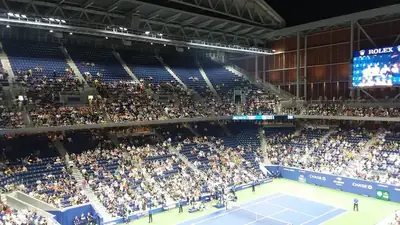
- USTA Billie Jean King National Tennis Center, Queens: home of the US Open since 1978. Arthur Ashe Stadium seats 23,771, the largest tennis stadium in the world, and has had a retractable roof since 2016. Louis Armstrong Stadium (about 14,000 seats, also roofed) and the 8,125-seat Grandstand are the other reserved-seat venues, and Court 17 adds 2,800 seats.
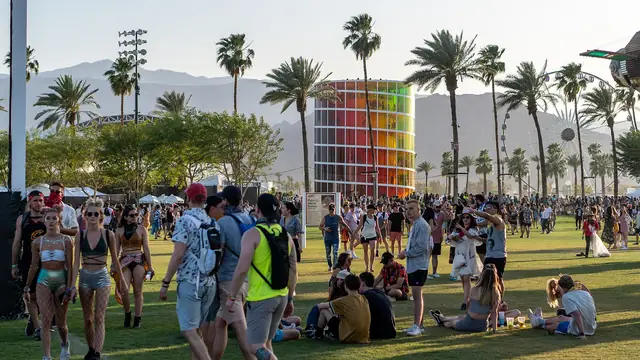
- Indian Wells Tennis Garden, California: opened in 2000 in the Coachella Valley, with 29 courts. Stadium 1 holds about 16,100, the second-largest permanent tennis stadium in the world after Ashe, and Stadium 2 about 8,000.
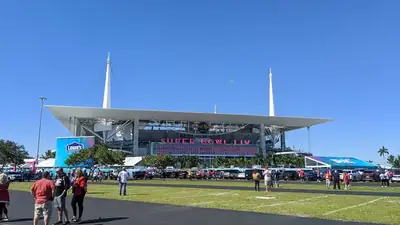
- Hard Rock Stadium, Miami Gardens: the Miami Open moved here from Key Biscayne in 2019. Its center court is a temporary seating bowl built inside the football stadium, with access to the stadium's suites, and new permanent courts sit on former parking lots.
- Lindner Family Tennis Center, Mason, Ohio: 31 courts and a center court of about 11,600 seats for the Cincinnati Open.
- William H.G. FitzGerald Tennis Center, Washington, D.C.: the Rock Creek Park home of the Washington DC Open.
For a deeper look at the second court in Queens, see the guides to Louis Armstrong Stadium and the Louis Armstrong Stadium Seating Chart.
Sessions, grounds passes and how demand moves
A tennis ticket is usually sold by session, not by match. A day session covers a block of matches on a given court, and big tournaments add a separate night session on the main stadium, typically two featured matches. You buy the court and the time, and the tournament assigns the matches, usually announcing the order of play the evening before.
There are two kinds of ticket to understand:
- A reserved stadium seat guarantees a seat in one stadium for that session. At the US Open, an Arthur Ashe ticket also includes general admission to the other courts.
- A grounds pass gives general admission to the outer courts and any unreserved stadium seating. At the US Open, as described for the 2026 tournament, a grounds pass covers the general admission areas of Louis Armstrong Stadium, the Grandstand and the field courts, but not Arthur Ashe Stadium.
Demand follows the draw. The first few days carry the most inventory and the least competition for it, since dozens of matches run at once. From the quarterfinals onward, supply shrinks to one or two stadium sessions a day and demand climbs. Night sessions draw the strongest interest early in a tournament because they feature the biggest names. The catch is that you buy before you know the matchup: a seat for a semifinal session is a bet on the draw, so buy the round and the court, not a particular player.
Where to sit for tennis
Tennis rewards different seats than most sports, and the best seat is not always the most expensive one.
- Behind the baseline (the ends of the court): the best angle for reading the game. You see the height and depth of every shot and the pace of the serve. Many regular fans prefer a mid-height seat at the end over a low seat on the side.
- Along the sideline: the television view, and the closest to the players at changeovers, but you turn your head on every shot. Low sideline rows are the premium seats; high sideline rows lose more than they gain.
- Upper levels of the largest stadiums: the top of Arthur Ashe Stadium is far from the court. For early rounds, a lower seat in a smaller stadium, or a front-row spot on an outer court with a grounds pass, gives a closer view of top players for less.
- Sun and shade: the main seating question at outdoor tennis. In Arthur Ashe Stadium, seating guides place the south-baseline sections in shade all day and the west sideline in shade from mid-afternoon. In the desert at Indian Wells and in Miami in spring, check the sun position for a day session before choosing a side.
One etiquette rule shapes where you can sit, too. Ushers hold spectators at the aisle during play and let them enter or leave only at changeovers, so an aisle seat near your entry portal is worth having if you plan to move around.
The marquee tournaments
A few events account for most of the demand among American tennis fans.
- US Open Tennis Championships: first played in 1881 and the only Slam in the United States. The 2025 tournament set an attendance record of 1,144,562, and a free Fan Week with the qualifying rounds precedes the main draw.
- BNP Paribas Open, Indian Wells: often called the fifth Grand Slam, it drew 493,440 spectators in 2024, the best attendance of any tournament outside the four Slams.
- Miami Open: a 12-day event that drew over 386,000 attendees in 2023.
- Cincinnati Open: first played in 1899, the oldest tournament in the United States still played in or near its original city. It expanded to a 12-day format with 96-player draws in 2025.
- Wimbledon: the oldest tournament in the world, played on grass in London since 1877, and the trip of a lifetime for many American fans. The 2027 Championships run June 28 to July 11. Most tickets come through a public ballot or the daily Queue, and only debenture tickets may be resold, so read the Wimbledon guide before planning.
Tips for a first tennis tournament
A few habits make a first visit far better.
- Go early in the tournament. A grounds pass in the first days puts you a few rows from top-ranked players on outer courts, with many matches to choose from.
- Watch the practice courts. Leading players practice on site most mornings, often in front of small crowds.
- Check the order of play each night. It tells you which court to head to first.
- Plan for heat and rain. Outdoor courts pause for rain, and only roofed stadiums keep play going. Sunscreen, a hat and water matter in March in the desert and in late summer in New York.
- Check the bag policy. Each tournament sets its own size limits and prohibited items, and they change; confirm on the event's site, such as usopen.org, before you go.
Frequently asked questions
When are the big tennis tournaments in the United States?
Indian Wells is held in March, the Miami Open in late March and early April, the Cincinnati Open in August and the US Open from late August into early September.
Does a US Open grounds pass get you into Arthur Ashe Stadium?
No. As described for the 2026 tournament, a grounds pass covers the general admission areas of Louis Armstrong Stadium, the Grandstand and the field courts. Arthur Ashe Stadium requires its own reserved ticket.
Are baseline or sideline seats better at tennis?
Many regular fans prefer a mid-height seat behind the baseline, which shows the depth and speed of every shot. Low sideline seats are closest to the players but require turning your head on every shot.
What is the largest tennis stadium?
Arthur Ashe Stadium at the US Open seats 23,771, the largest tennis stadium in the world. Stadium 1 at Indian Wells, with about 16,100 seats, is the second-largest permanent tennis stadium.
Can Americans buy Wimbledon tickets?
Yes, through the public ballot, the daily Queue, debentures or official hospitality. Apart from debenture tickets, the club says tickets may not be resold or transferred.
Sources
- Wikipedia: US Open (tennis)
- Wikipedia: Arthur Ashe Stadium
- Wikipedia: ATP Masters 1000
- Wikipedia: Indian Wells Open
- Wikipedia: Indian Wells Tennis Garden
- Wikipedia: Miami Open (tennis)
- Wikipedia: Cincinnati Open
- Wikipedia: Washington Open (tennis)
- Wikipedia: Wimbledon Championships
- Wimbledon: Tickets and ballot
- Ticketmaster: US Open fan buying guide
- Shaded Seats: Arthur Ashe Stadium shade guide