How a professional boxing event works
Professional boxing has no league season. Each event is a card put together by a promoter, with several bouts on the undercard (the earlier fights), a co-main event and the main event that sells the tickets. A single ticket covers the whole night, and demand rises or falls almost entirely with the headline fight.
Rounds are generally three minutes with a one-minute rest, and championship fights are scheduled for up to twelve rounds. A main event that goes the distance runs about 47 minutes, so the headliners typically walk out late in the evening, after hours of undercard bouts.
Belts, promoters and why matchups are hard to make
Four sanctioning bodies award the major world titles: the World Boxing Association (WBA), World Boxing Council (WBC), International Boxing Federation (IBF) and World Boxing Organization (WBO). A fighter who holds all four belts in a division is the undisputed champion. There are 17 weight classes, topped by heavyweight, which has no upper limit.
Because fighters are tied to different promoters and broadcasters, the biggest matchups often take years of negotiation, and that scarcity is why a true super fight can sell out a stadium. Recent changes in the business shape what reaches US arenas:
- Zuffa Boxing, formed in 2024 as a partnership between Saudi entertainment company Sela and TKO Group Holdings (the UFC and WWE parent), applies the UFC's promotional model to boxing. Its events stream on Paramount+ under a deal signed in September 2025, with select fights on CBS.
- Streaming events have reached huge audiences. Netflix carried both Jake Paul vs. Mike Tyson in 2024 and Canelo Álvarez vs. Terence Crawford in 2025.
Where the biggest fights are staged
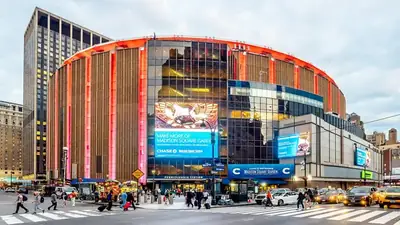
Madison Square Garden in New York City built boxing's reputation in the United States. Its old ring was used for 82 years before it was retired in 2007, and the first Muhammad Ali vs. Joe Frazier fight, on March 8, 1971, drew a sellout crowd of 20,455. Major fights later moved toward Las Vegas, where casino-backed promoters could pay larger purses.
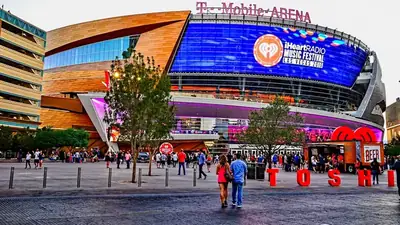
- T-Mobile Arena in Las Vegas seats about 20,000 for boxing and hosted Canelo Álvarez vs. Gennady Golovkin in 2017 and Floyd Mayweather Jr. vs. Conor McGregor the same year.
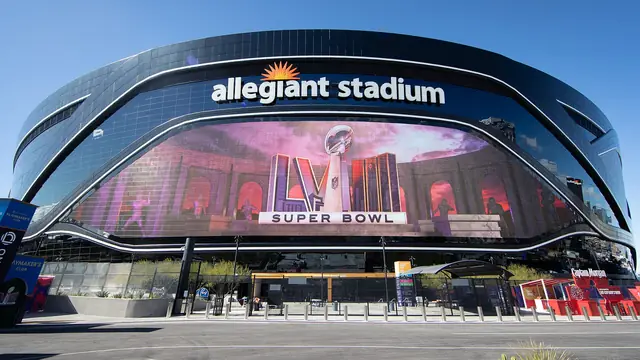
- Allegiant Stadium hosted its first fight, Canelo Álvarez vs. Terence Crawford, on September 13, 2025. It drew 70,482 fans, the stadium's largest crowd, and a reported single-day gate of 47.2 million dollars.
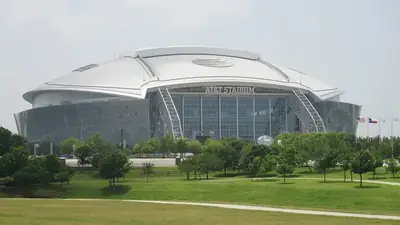
- AT&T Stadium in Arlington drew 72,300 for Jake Paul vs. Mike Tyson on November 15, 2024.
Big Las Vegas fights also cluster around two holiday weekends: Cinco de Mayo in May and Mexican Independence Day in September, dates Canelo Álvarez has long favored.
Where to sit for a boxing match
A boxing ring is a raised, roped square set on the arena or stadium floor. Unlike the UFC cage, the ropes barely block your view, but the raised platform changes which seats work.
- Ringside: the first rows around the ring, largely held for media, judges, the commissions, promoters and premium buyers. From floor level you look up at the canvas, which feels close but can hide a fighter on the near ropes.
- Middle and rear floor: the weak spot in most layouts. The floor is flat, the crowd stands for big exchanges, and by the back rows you watch the screens.
- Lower bowl, low to middle rows: the best overall view for most fans. You look down onto the canvas and can follow footwork and combinations.
- Stadium upper decks: at a stadium fight the ring is a speck from the top deck. Buy these for the occasion, not the view, and expect to follow the fight on the video boards.
Check whether a listing is behind the fighter walkout path or a broadcast platform, which can block part of the ring. The T-Mobile Arena Seating Chart and Madison Square Garden Seating Chart pages cover those buildings in detail.
How boxing tickets sell
- Fights are announced late. Cards are often finalized only weeks or a few months out, so the buying window is shorter than for most sports.
- The headliner is everything. A crossover star sells out a stadium. A strong but lesser-known title fight may still have seats at the door.
- Withdrawals move prices. If a headliner pulls out, the event is often postponed or a replacement steps in, and resale prices can swing either way. Read the event terms if the main event changes.
- Undercards are free value. The fighters on the undercard are tomorrow's headliners, and arriving early costs nothing extra.
Every GoodSeats order comes with guaranteed entry, but the details of a postponed fight depend on the event, so keep an eye on official announcements.
First-time fight night tips
- Time your arrival. Main events rarely start before late evening local time, especially on streamed cards scheduled for a US prime-time audience.
- Plan for a stadium event. Stadium fights bring stadium logistics: earlier gates, longer security lines and a long exit, so plan transportation home before you go.
- Check the venue's current bag policy. Arena and stadium policies differ and change, so check the venue's page shortly before the event.
- Pick a seat with a screen. Close-ups and replays tell you what happened in a fast exchange, so a clear line to a video board matters.
Boxing shares venues and a buying pattern with UFC and MMA. For the official calendar of a given fight, the Madison Square Garden and T-Mobile Arena event pages list confirmed dates.
Frequently asked questions
How many rounds is a championship boxing match?
Championship fights are scheduled for up to twelve rounds of three minutes each, with a one-minute rest between rounds.
What does undisputed champion mean?
An undisputed champion holds the world titles of all four major sanctioning bodies in a weight class: the WBA, WBC, IBF and WBO.
What are the best seats for a boxing match?
Low-to-middle rows of the lower bowl give most fans the best view, because you look down onto the raised ring. Ringside seats are the closest, while rear floor rows are often blocked by standing fans.
Where are the biggest boxing fights held?
Las Vegas, especially T-Mobile Arena and Allegiant Stadium, hosts many of the largest fights, and Madison Square Garden remains the sport's historic home in New York. AT&T Stadium drew 72,300 for Jake Paul vs. Mike Tyson in 2024.
When do boxing tickets go on sale?
Boxing cards are usually announced only weeks or a few months before fight night, so tickets tend to go on sale with less notice than for team sports.