

The ACC's 18 members after realignment
The Atlantic Coast Conference (ACC) has 18 member schools for the 2025–26 season, 17 of which play ACC football. It was founded on May 8, 1953, by seven schools, with Virginia joining that December, and it is headquartered in Charlotte, North Carolina. The 2024 realignment added SMU on July 1, 2024, and California and Stanford on August 2, 2024, stretching the league from New England to Texas and the Pacific coast.
- Charter-era members: Clemson, Duke, North Carolina, NC State, Wake Forest and Virginia (all 1953).
- Later additions: Georgia Tech (1979, football from 1983), Florida State (1991, football from 1992), Miami (2004), Boston College (2005), Pittsburgh and Syracuse (2013) and Louisville (2014).
- Notre Dame (2013): a full member in most sports, including basketball, but an FBS independent in football.
- 2024 additions: SMU, California and Stanford.
Two founding schools are gone: South Carolina left in 1971 and Maryland moved to the Big Ten in 2014. Membership has changed often, so check the conference site for the current list.
ACC football: programs, stadiums and the Charlotte title game
Every ACC football program has its own GoodSeats page with stadium and seating advice: Boston College Eagles Football, California Golden Bears Football, Clemson Tigers Football, Duke Blue Devils Football, Florida State Seminoles Football, Georgia Tech Yellow Jackets Football, Louisville Cardinals Football, Miami Hurricanes Football, North Carolina Tar Heels Football, NC State Wolfpack Football, Pittsburgh Panthers Football, SMU Mustangs Football, Stanford Cardinal Football, Syracuse Orange Football, Virginia Cavaliers Football, Virginia Tech Hokies Football and Wake Forest Demon Deacons Football. Notre Dame Fighting Irish Football plays as an independent, though it schedules ACC opponents; the ACC announced, for example, that SMU will play Notre Dame in 2026.
- The big houses: Clemson's Memorial Stadium seats about 81,500 and holds crowds above 86,000 with standing room; Florida State's Doak Campbell Stadium seats 67,277 as of 2025; Virginia Tech's Lane Stadium seats about 65,600.
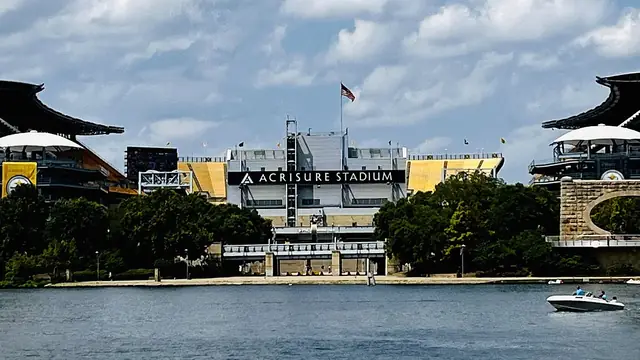
- NFL stadiums: Miami plays at Hard Rock Stadium in Miami Gardens and Pittsburgh at Acrisure Stadium, which it shares with the Steelers. Both are large buildings where a mid-level opponent leaves plenty of seats.
- Intimate venues: Duke's Wallace Wade Stadium (35,018), SMU's Gerald J. Ford Stadium (about 33,200 listed) and Wake Forest (about 31,500) are among the smallest power-conference stadiums, so big games there sell out quickly.
- Indoors: Syracuse plays in the JMA Wireless Dome, so weather is never a factor there.
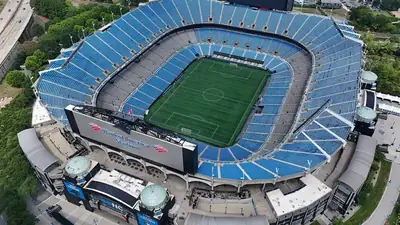
The ACC Championship Game is played at Bank of America Stadium in Charlotte on the first Saturday in December, under an agreement that runs through 2030. Postseason tie-ins in 2026 include the Pinstripe Bowl and Duke's Mayo Bowl (Big Ten vs. ACC), the Pop-Tarts Bowl (ACC vs. Big 12) and the Sun Bowl (ACC vs. Pac-12); tie-ins change every few years.
ACC basketball and Tobacco Road
Basketball is the ACC's signature sport. Duke and North Carolina, neighbors on Tobacco Road, have won the ACC Tournament 24 and 18 times, and North Carolina (six) and Duke (five) rank among the leaders in NCAA men's titles. North Carolina's 1957 team won the league's first national championship.
- Cameron Indoor Stadium: Duke's home since 1940, with about 9,300 seats. Students camp in Krzyzewskiville for weeks to see the biggest home games, especially North Carolina.
- The rivalry games: Duke vs. North Carolina is the hardest regular-season ticket in the league, and the smaller of the two buildings, Cameron, is the harder of the two.
- Depth and its limits: the 2025 NCAA tournament took only four ACC teams, the league's lowest total since the field expanded in 1975, which showed that demand outside the top programs can swing year to year.
Women's basketball runs alongside, with its own conference tournament: Greensboro hosted in 2024 and 2025, and the Spectrum Center in Charlotte hosts in 2027.
The ACC Tournament in Charlotte and Greensboro
The ACC men's tournament, first played in 1954, has been held every year since. Only the top 15 of the 18 teams qualify. The top four seeds get a double bye to the quarterfinals and need three wins; seeds 5–8 need four and seeds 9–15 need five.
- Sites: the Spectrum Center in Charlotte (2025, 2026 and 2028) alternates with the coliseum in Greensboro (2027 and 2029). Greensboro has hosted 30 times, more than any other building.
- Recent winners: Duke won in 2025, beating Louisville 73–62, and in 2026, beating Virginia 74–70, both in Charlotte.
Ticket strategy follows the bracket. All-session books lock in the same seat for every session, and the opening days, when the lower seeds play, are the easiest and least expensive sessions. Quarterfinal day, when the top four seeds arrive, packs the most quality basketball into one ticket. Demand for the semifinals and final depends on whether Duke and North Carolina are still alive.
Where to sit for ACC football and basketball
- Football sideline: between the 30-yard lines is the best view. For early-season afternoon kickoffs in Clemson, Tallahassee or Miami Gardens, the shaded side matters more than the yard line.
- Football end zones and corners: student sections and visiting allocations usually sit here. Neutral fans can save by sitting in the corners, but expect to stand near the students.
- NFL stadiums: at Hard Rock Stadium and Acrisure Stadium, the upper deck is far from the field; for Miami and Pitt games, lower-level corners usually beat upper-deck midfield.
- Basketball arenas: lower-level sideline seats give the best view, and upper-level sideline seats are the value choice. In large arenas like the Spectrum Center, avoid the first rows directly behind the baskets, where the backboard blocks the far end.
How ACC tickets are sold, and tips for first-timers
ACC schools sell season tickets first and assign seats through donor priority-point rankings (a score built from gifts and years of loyalty). Student sections are allocated separately, and visiting schools receive their own blocks. For the ACC Championship Game and the ACC Tournament, participating schools typically receive allocations for their donors.
- Watch the travel: with Cal, Stanford and SMU in the league, many visiting fan bases now travel across the country, which can leave more visiting-section seats on the resale market for West Coast and Texas matchups in the East.
- Check the policies: as of the 2025 season, most ACC stadiums enforce clear-bag rules; check the venue's current policy before you go.
- Plan for Charlotte: the football title game and the even-year basketball tournaments put fans in uptown Charlotte, where hotels near the venues fill early.
Every order on GoodSeats is backed by a 100% guarantee. For schedules and championship information, see the ACC's official site.
Frequently asked questions
How many schools are in the ACC?
There are 18 for the 2025–26 season, and 17 of them play ACC football; Notre Dame competes in the ACC in most sports but plays football as an independent.
Which schools joined the ACC in 2024?
SMU joined on July 1, 2024, and California and Stanford joined on August 2, 2024.
Where is the ACC Championship Game played?
At Bank of America Stadium in Charlotte on the first Saturday in December, under an agreement that runs through 2030.
Where is the ACC basketball tournament?
The men's tournament alternates between the Spectrum Center in Charlotte and the coliseum in Greensboro, with Greensboro hosting in 2027 and 2029 and Charlotte in 2028.
Is Notre Dame in the ACC for football?
No. Notre Dame joined the ACC in 2013 for most sports but remains an FBS independent in football, while scheduling games against ACC teams.
Sources
- Wikipedia – Atlantic Coast Conference
- Wikipedia – ACC men's basketball tournament
- Charlotte Regional Business Alliance – ACC announces championship sites (Feb. 7, 2024)
- Sports Illustrated – ACC Tournament locations for 2026, 2027 and beyond
- ACC – SMU to play Notre Dame in 2026
- Wikipedia – 2025 NCAA Division I men's basketball tournament
- Wikipedia – NCAA Division I men's basketball tournament
- Wikipedia – Cameron Indoor Stadium
- Wikipedia – Memorial Stadium (Clemson)
- Wikipedia – Doak Campbell Stadium
- Wikipedia – Lane Stadium
- Wikipedia – Wallace Wade Stadium