.jpg)
Upcoming Miami Hurricanes Football dates
Dates and live ticket listings appear here as soon as they are on sale. The guide below covers what to know before you buy.
The program behind "The U"
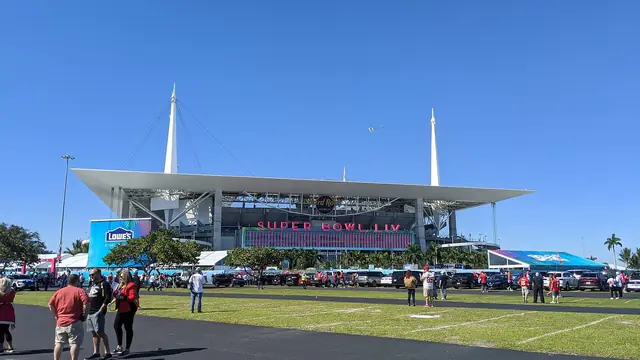
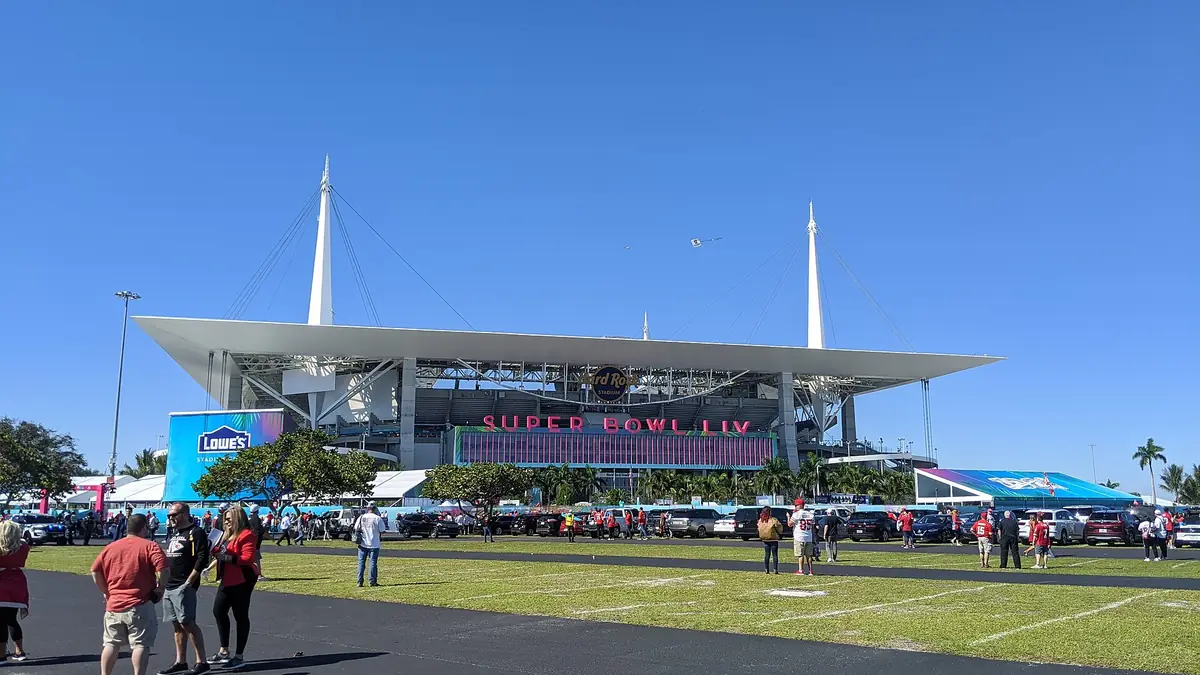
The Miami Hurricanes play their home games at Hard Rock Stadium in Miami Gardens, about 22 miles north of the University of Miami's Coral Gables campus. The home season runs from late August or early September through November, with conference games against Atlantic Coast Conference (ACC) opponents filling most of the schedule. Miami competes in the Football Bowl Subdivision (FBS, the top tier of NCAA Division I).
The program began in 1926 and spent most of its history as an independent before joining the Big East in 1991 and the ACC in 2004. Its reputation was built in a remarkable 19-year run: national championships in 1983, 1987, 1989, 1991 and 2001, each time finishing first in the final AP Poll. Only a handful of programs have more AP titles.
- Heisman Trophy winners: Vinny Testaverde (1986) and Gino Torretta (1992)
- Pro Football Hall of Famers: Jim Kelly, Michael Irvin, Warren Sapp, Ray Lewis, Ed Reed, Edgerrin James and others
- Mascot: Sebastian the Ibis, on the sideline since 1957
- Recent history: the 2025 team reached the College Football Playoff for the first time and played in the national championship game in January 2026
The Hurricanes played at the Miami Orange Bowl from 1937 through 2007, then moved to Hard Rock Stadium in 2008 under a 25-year agreement that runs through 2033.
Shade, sidelines and seats at Hard Rock Stadium
Hard Rock Stadium is shared with the NFL's Miami Dolphins, so it is a professional-scale building rather than a campus bowl. A canopy added during the 2015–2016 renovation covers more than 90% of the seats while leaving the field open to the sky. For a September afternoon kickoff, where that canopy's shadow falls matters more than any other seat decision.
Sun vs. shade
- South sideline: the shadier side for afternoon games. Seating guides place sections around 144 to 148 along this sideline.
- North sideline: takes more direct sun, especially in the lower bowl early in the season. Sections around 117 to 121 sit here, with 118 near midfield.
- Upper deck (300 level): the most fully covered seats in the building, and usually the least expensive way to sit between the 30-yard lines.
Sideline, end zone and club
- Middle rows of the lower sideline: the best balance of closeness and perspective. Very low rows sit near the canopy's edge and can catch sun or blowing rain.
- End zones (roughly 102 to 106 and 130 to 134): the value seats, but low rows give a flat angle on plays at the far end.
- Clubs: air-conditioned lounges on both sidelines are a real advantage on a hot, humid afternoon.
Section ranges come from seating guides rather than the university, and Hurricanes games can use the building differently than Dolphins games, so confirm the location on the map attached to your listing. Night kickoffs largely remove the sun question, which makes the north side better value after dark.
Students and visitors
University of Miami students receive their own allotment, and visiting schools get a block for their fans. Rivalry games bring the largest visiting crowds.
Florida State, Florida and the games that sell out
- Florida State: the defining rivalry. The teams first met in 1951 and have played every year since 1966. Between 1983 and 2002 the two programs combined for seven national championships, and the series produced the "Wide Right" games of the early 1990s. The 2006 meeting was the most-watched college football game in ESPN history at the time.
- Florida: Miami's oldest in-state rivalry, dating to 1938. The schools met every year from 1944 to 1987 but now play only occasionally; when Florida comes to Miami Gardens, as it did in September 2025, demand jumps.
- Notre Dame: a 1980s rivalry remembered for the 1988 "Catholics vs. Convicts" game. The schools are scheduled to meet in 2026, 2028, 2031, 2032, 2034 and 2037.
- Virginia Tech and Louisville: conference rivals; the Louisville series is tied to Howard Schnellenberger, who rebuilt both programs, and the winner receives a trophy of his bronzed boots.
A Florida State year at home, a Florida or Notre Dame visit and any late-season game with ACC title or playoff stakes draw the most demand. Early nonconference games against smaller programs are the easiest tickets to find, and the stadium rarely fills for them.
Smoke, the cannon and other Canes traditions
- The smoke entrance: the team runs out of the tunnel through a cloud of white smoke, with a hurricane sound effect on the speakers. The smoke comes from fire-extinguisher pipes first welded together in the 1950s; they moved from the Orange Bowl to Hard Rock Stadium in 2008. Be in your seat before kickoff to see it.
- Touchdown Tommy: a cannon fired by members of the Sigma Chi fraternity when the team takes the field, after every Miami score and after wins.
- Ring of Honor: established in 1997 to honor former players, including Ted Hendricks, Jim Kelly and Gino Torretta.
The Turnover Chain, a gold chain awarded on the sideline to defenders who forced turnovers, became a national sensation in 2017; the program retired it in 2022.
Tailgating happens in the stadium lots rather than on campus. As of the 2025 season, parking had to be prepaid, lots opened five hours before Hurricanes kickoffs, and the rules allowed one space per vehicle, gas or charcoal grills, weighted tents and no kegs. Check the stadium's current rules before you go.
Getting there and stadium rules
There is no rail station at the stadium, so most fans drive, take rideshare or use a shuttle. The stadium has run complimentary park-and-ride shuttles and a shuttle from Brightline's Aventura station; rideshare pickup has been in Lot 44, a long walk from the gates.
As of the 2025 season, gates opened 90 minutes before Hurricanes kickoffs, the stadium was cashless with digital tickets only, and a clear-bag policy limited bags to 12 by 6 by 12 inches. Factory-sealed water bottles of 20 ounces or less were allowed; umbrellas, coolers and aerosol sunscreen were not. Check the stadium's A to Z guide for current policies before you go.
How Hurricanes football tickets are sold
Season tickets go first to returning holders, and seat location is tied to giving through the university's donor program, so the best sideline seats in the shaded areas stay with long-time donors. Students get tickets through a separate university system. Single-game tickets are released after season holders are served.
For the biggest games, especially Florida State, Florida or Notre Dame, most of the good inventory never reaches the public sale. Resale is how most fans get into those games, and prices move with the matchup, the team's ranking, the kickoff time and the weather forecast. Demand often rises late in the week when a game carries conference or playoff stakes. Every GoodSeats order is backed by a 100% guarantee.
Frequently asked questions
Where do the Miami Hurricanes play home games?
At Hard Rock Stadium in Miami Gardens, about 22 miles north of the Coral Gables campus. The team has played there since 2008 under an agreement that runs through 2033.
Which side of Hard Rock Stadium is in the shade?
The south sideline gets the most shade for afternoon games, and the upper deck sits most fully under the canopy. The north sideline takes more direct sun, especially early in the season.
How many national championships has Miami won?
Five: 1983, 1987, 1989, 1991 and 2001. Miami finished first in the final AP Poll each of those seasons.
What is the smoke at Miami games?
It is the team's entrance tradition. Players run out of the tunnel through white smoke produced by fire-extinguisher pipes that date to the 1950s and moved from the Orange Bowl in 2008.
Does Miami play Florida State at home every year?
The rivalry is played every year, but the site generally alternates between Miami Gardens and Tallahassee. Check the current schedule to see which years are home games.
Can I bring a bag into Hard Rock Stadium?
As of the 2025 season, only clear bags up to 12 by 6 by 12 inches were allowed. Check the stadium's current policy before you go.